
Swedru All Blacks FC × TTMIB — A Serious, Bankable Europe–Ghana Bridge
Presented by TTMIB Worldwide Management Network — Football Intelligence, Scouting & Strategic Partnerships.
Founded in 1945 and known as the “Black Magicians”, Swedru All Blacks FC has returned to the Ghana Premier League 2025/26 after a 16-year absence. The club is backed by a financially strong ownership group with the ambition and capacity to build a long-term player-development and transfer platform.
This deck sets out how a European club can plug into that platform: a lean, KPI-driven partnership where Ghana carries most of the scouting and event costs on its side, and the European club focuses resources where it matters — integration, development and contracts in its own environment.
1) The Historic Comeback — 16 Years Back at the Top
- Promotion: secured for the 2025/26 Ghana Premier League after 16 years outside the top tier.
- Clincher: a decisive 3–0 win in the run-in, widely referenced as the promotion moment.
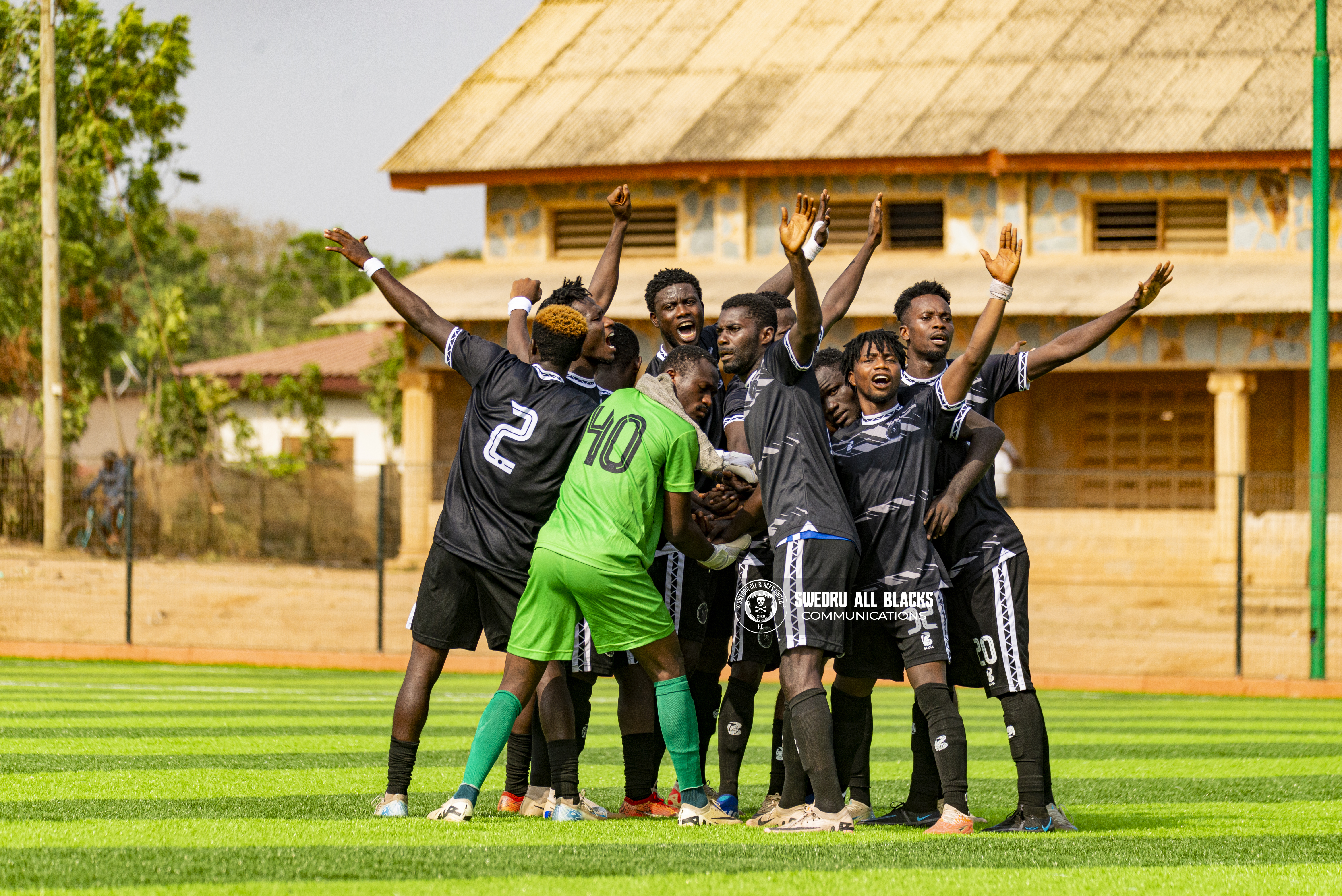
- Identity: compact defensive structure, aggressive transitions, strong community backing in the Central Region.
- Momentum: a “second life” moment that makes the club attractive for long-term strategic partners, not just short-term transfers.
2) Leadership & Ownership — Who You Actually Work With
- Club President: Stephen Atto Quayson — recognised as the driver behind the comeback and the structural rebuild.
- Ownership: Ghanaian business interests with the financial power to invest in facilities, staff and international cooperation.
- Strategic focus: stability, professionalisation and a clear player pathway instead of short-term hype or “quick sale” mentality.
- Decision-making: lean and fast — the club can take clear decisions on trials, loans and investment windows.
- Accountability: defined roles for technical staff, academy, medical and administration.
- KPIs: U23 minutes, injury days, Return-to-Play timelines and academy progression are tracked as core steering metrics.
- Partnership mindset: the project is built around co-owned value — not just sending players out, but growing assets together.
- Financial clarity: on the Ghana side, there is budget to host, organise, and co-finance scouting events and staff exchanges.
3) Infrastructure & Stadium — A Real Base to Build On
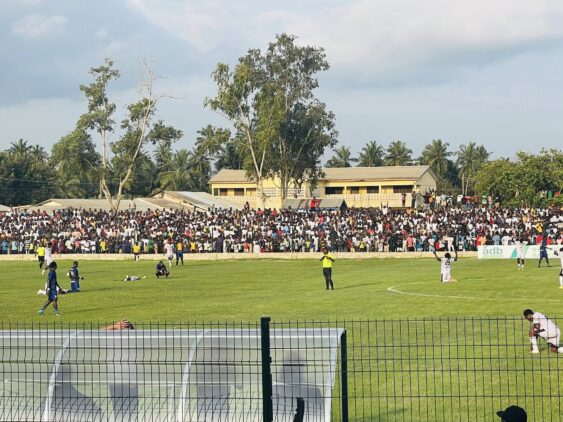
- Home ground: Swedru Sports Stadium, approx. 5,000 capacity.
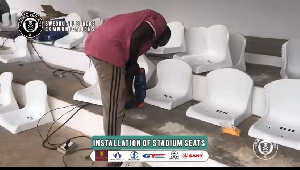
- GPL licensing: seating, media areas and safety corridors upgraded in phases to meet league requirements.
- Training environment: main pitch plus training access, gym and medical rooms that can be scaled step by step with a partner.
- Matchday platform: authentic local atmosphere and clear visibility for a European partner’s brand.
4) Why Partner? — Football Value and Low Operational Friction
- High-upside profiles: Ghana consistently produces athletic, coachable players with strong resale potential.
- Controlled access: the partnership creates a priority lane to these players instead of fighting in open auctions later.
- Structured development: clear methodology, data and minutes tracking from Swedru up to the European club.
- Realistic roles: Swedru provides the local context, TTMIB coordinates, the European club decides on selection and final integration.
- Strong local funding: the Ghana side has the financial capacity to host scouting events, camps and staff visits.
- Low initial cost for Europe: travel packages, logistics and on-ground organisation for elite trial events in Ghana can be carried largely by the local partners.
- Clear split of responsibilities:
- Ghana: organisation, infrastructure, scouting events, part of travel and camp costs.
- European club: salaries and conditions once a player signs, plus normal domestic integration costs.
- Brand & CSR: a visible, structured link to African talent and community work with solid financial backing behind it.
5) Partnership Modules — From First Event to Pipeline
- Elite trial camp in Swedru: 1–2 dedicated scouting days where technical staff from the potential partner club are invited to attend.
- Local costs largely covered: camp organisation, internal logistics and basic event costs handled on the Ghana side.
- Selection: from this camp, a short-list of players is identified for trials and/or loans in the European club environment.
- First 1–2 players move: structured trial or loan agreements in Europe, with salaries and living costs covered by the partner club as for any other squad player at that level.
- Coach exchange: 1 coach from the partner club visits Swedru to align methodology and set standards inside the Ghana project.
- Co-branded academy track: common curriculum, shared principles and clear targets for U17–U23.
- Biannual elite trials in Swedru: twice a year, a structured event where the partner club’s staff can see an entire age-band live in one place.
- Permanent reporting line: dedicated local scout and video analyst providing continuous reports and footage to the partner club.
- Contract tools: first-refusal and matching-right structures designed to be fair, transparent and enforceable.
6) Comparables — The Model Already Exists
- Club–Academy alliances: European clubs creating long-term ties with West African academies to secure first access to talent and drive methodology.
- Scouting lanes: formalised cooperation where a single club becomes the “go-to” partner for an entire region’s best players.
- Education-driven models: partnerships that link football, education and social programmes to make the project sustainable and attractive for sponsors.
- Actual club, not just academy: Swedru All Blacks FC competes in the top domestic league, giving players real-pressure match minutes.
- Strong local finances: the Ghana side is not relying on the first European club to “save” the project. The base is already funded.
- Independent coordinator: TTMIB stands in the middle as a football-intelligence partner with experience across multiple markets.
7) Diagnostics & Risk Management — Controls Before Hype
- Licensing: facilities and match operations aligned with Ghana Premier League standards.
- Regulations: strict respect for FIFA and national regulations around minors, transfers, visas and third-party influence.
- Transparent contracts: clear documentation, jurisdiction, and dispute-resolution mechanisms.
- Technology: GPS, wellness and RPE monitoring introduced progressively from U23 downwards.
- Key metrics tracked:
- U23 minutes by position and match situation.
- Transfer value development (internal ETxV view over seasons).
- Injury days per 1,000 minutes and Return-to-Play time.
- Academy permeability (U17/U19 → U23 → First Team).
- Reporting: regular, structured reports delivered to the partner club’s sporting department.
8) Media, Storytelling & Sponsors
- Comeback story: a traditional club back at the top level after 16 years away is a natural media asset.
- Regional identity: Swedru and the Central Region offer a clear, authentic local story.
- Partner spotlight: the European club can be positioned as the strategic architect of the next development phase.
- CSR and impact: youth development, education and community projects can be integrated into the partnership design.
9) Roadmap — From First Call to a Working Player Flow
- Intro calls: sporting director, head of recruitment and academy lead from the European club.
- Shared data room: squad lists, age profiles, video links, facility overview and key financial parameters.
- Agreement on KPIs: success criteria defined before any player moves.
- Light MoU: non-binding document outlining rights, responsibilities and the first pilot scope.
- Elite camp in Swedru: 2–3 intensive days with the partner club’s staff on-site, organised and largely financed from the Ghana side.
- Selection: short-list of players for European trials or direct loans.
- First arrivals in Europe: 1–2 players integrated into the partner club structure with standard contracts and conditions for that level.
- Coach exchange: one coaching visit from Europe to Ghana to embed shared methodology.
- Regular cycles: biannual elite camps and consistent reporting pipelines.
- Structured rights: first-refusal / matching-rights framework refined based on the first deals.
- Commercial layer: joint sponsorship pitches, visibility assets and CSR programmes.
- Review: annual review of KPIs, number of players moved, and financial outcomes for both sides.
10) Contact & Immediate Next Step
TTMIB — Dietmar Wendorff (CEO)
Direct contact for clubs and technical staff who want a serious, financially backed Ghana partnership with a clear player-development and transfer logic.
Suggested first step: a 30–45 minute call (sporting director / head of recruitment / academy director) to align expectations and define a concrete 90-day pilot including the first elite camp in Swedru and 1–2 player moves into your environment.