TTMIBTime to make it better
Official Working Dossier
Strategic investment dossier

Bodrum FK – Strategic Investment, Business Ecosystem & Africa Pipeline Dossier

Official working version for investor positioning, mandate support and follow-up discussions
€15–25M
Indicative investment logic
A.Ş.
Corporate operating structure
Top-Tier
Recently proven capability
Nigeria
Pipeline and strategic angle

Key Publicly Verifiable Facts

ItemCurrent public position
Club identitySipay Bodrum Futbol Kulübü / Bodrum FK
Operating companyBodrumspor Spor Faaliyetleri Anonim Şirketi
Foundation1931
ChairmanTaner Ankara
Vice ChairmanSelahattin Polat
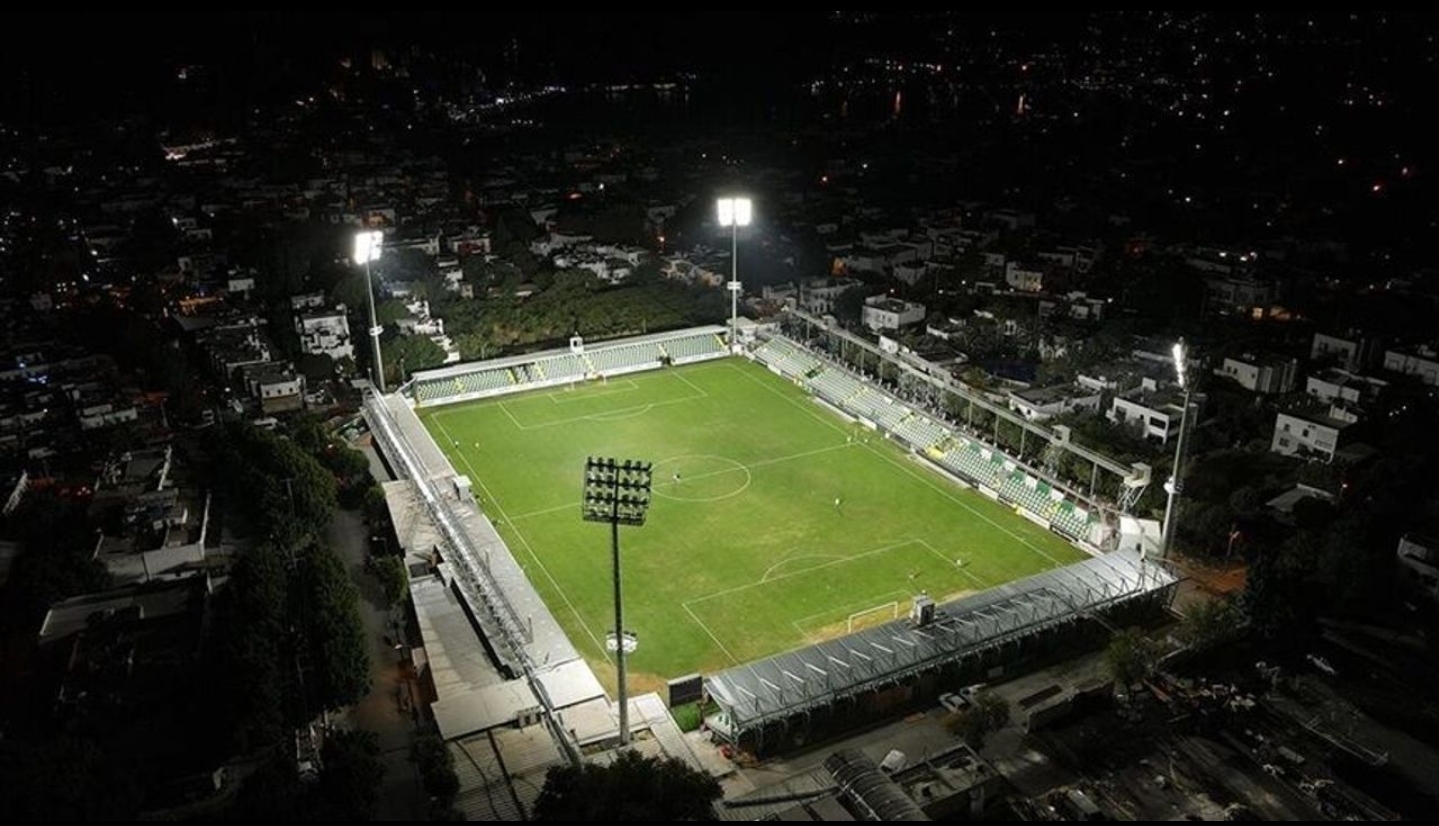
StadiumBodrum İlçe Stadı
Commercial evidenceNaming rights, stadium sponsor, shirt layers, technical supplier, health partner
Strategic contextHistorical and reputational linkage to the Öztürk / OPET environment

Use this document correctly

This version is written as a mandate-support and investor-facing working dossier. It is deliberately stronger than a neutral memo but still disciplined about what is publicly verifiable versus what must be confirmed in due diligence.

It should be used to open controlled discussions, frame the strategic logic, and support outreach. It is not a substitute for registry extracts, a data room, or definitive transaction documents.

Executive Summary

Bodrum FK is not a conventional lower-tier football story. The club combines an investable corporate operating structure, recently proven top-flight capability, a functioning sponsorship stack, a premium tourism destination, and proximity to an industrial-energy business ecosystem that materially strengthens its strategic relevance.

The core investment logic is straightforward: acquire influence or control over a professionally structured football asset below peak valuation, reinforce the sporting side selectively, institutionalize an Africa-to-Europe talent route, and monetize the platform through promotion upside, player trading, sponsorship growth, and destination-driven premium positioning.

What differentiates Bodrum FK from a standard second-division target is not only football. It is the combination of football operations, commercial readiness, tourism-led branding power, and the surrounding business context linked to the Öztürk / OPET environment. That combination makes the club suitable for a football-led, but wider strategic entry model.

For a Nigerian investor or government-linked actor, the opportunity is not merely to finance a club. It is to secure a controlled access point into the European-adjacent football economy with an identifiable route for Nigerian and West African talent, backed by a recognizable business and hospitality environment rather than a purely speculative transfer operation.

Club Identity and Legal Structure

The official club identity is Sipay Bodrum Futbol Kulübü, commonly referred to as Bodrum FK. The commercial sports operations vehicle is Bodrumspor Spor Faaliyetleri Anonim Şirketi. This matters because the professional operation sits inside a capital-capable corporate form rather than relying only on a traditional amateur or member-association model.

The club traces its foundation to 1931 and presents itself as a long-established local institution. At investor level, however, the more relevant point is the corporatized operating layer: the football business is structured in a way that can, in principle, support shareholding, governance rights, contractual protections and a conventional transaction architecture.

The official club address is listed at the Yalıçiftlik / Bodrum training facilities. The home venue is Bodrum İlçe Stadı. In formal positioning, this allows the club to be described as a real operating football company with a fixed corporate footprint, licensed league participation and an identifiable decision-making structure.

Current Governance and Power Structure

The formal front-end governance currently identifies Taner Ankara as Chairman and Selahattin Polat as Vice Chairman. That is the visible layer. The deeper layer is more important: public reporting and club-adjacent communications indicate that the Öztürk family has historically been the decisive force around the club and that the organization has moved through phases of internal restructuring involving shareholders and associated business figures, including Aşkın Demir.

That means any serious investor should distinguish between formal office-holders and actual influence. Bodrum FK should be viewed as a club with a visible board structure and a less visible, but highly relevant, shareholder and relationship layer. This is typical of football assets that sit close to entrepreneurial families and local business ecosystems rather than purely institutional holding structures.

For transaction purposes, this has two consequences. First, access and negotiations are likely to depend on the real influence network and not only on title-holders. Second, comprehensive due diligence on beneficial control, internal approvals and actual sell-side authority is mandatory before any definitive document is signed.

Fikret Öztürk, OPET and the Strategic Business Context

Fikret Öztürk is the most significant individual name in the Bodrum FK context. Public corporate information identifies him as Founding Chairman of OPET, one of Turkey’s major fuel distribution brands. The broader OPET board environment includes high-level national corporate figures, which is relevant less as a technical shareholding point and more as a reputational and network signal.

The critical discipline here is precision: public materials support the conclusion that Bodrum FK is historically and reputationally linked to the Öztürk / OPET sphere, but they do not, on their own, prove a clean cap-table statement such as 'OPET owns the club'. Any claim at that level would require registry-level verification or internal transaction materials.

Still, the business significance is real. A club associated with the Öztürk / OPET environment carries a very different strategic weight from a generic provincial second-division side. It signals access to established commercial thinking, sponsorship credibility, hospitality relationships and a recognisable business surname with national relevance.

Öztürk Holding and Industrial Reach

Öztürk Holding publicly describes itself as an international group active across multiple sectors including energy, petroleum, mining, finance, construction and defence-related activity, with operations or projects in dozens of countries. That does not make Bodrum FK a holding subsidiary in any automatically provable legal sense, but it does place the football asset inside a much broader ecosystem than football alone.

For investor positioning, this is crucial. It allows the Bodrum case to be framed not simply as a football acquisition but as an entry into a sports platform located adjacent to real industrial and commercial capacity. That is particularly useful for investors who do not want to be boxed into a pure sports thesis and who may value optionality around relationships, co-branding, hospitality, infrastructure and wider business introductions.

Commercial Ecosystem and Sponsor Stack

Bodrum FK already operates with a layered sponsorship structure. Publicly listed partners include Sipay as naming sponsor, Grey Beton as stadium naming sponsor, CIP Travel Agency as front-of-shirt sponsor, Acropol Bodrum as back-of-shirt sponsor, logistics and betting-related partners, Puma as technical supplier, and Acıbadem as health partner. Additional brand visibility around OPET and Regnum Carya has also appeared in the club environment.

The strategic value of this is simple: the club is already monetized. It is not a blank-sheet commercial story. Naming rights, shirt inventory, healthcare tie-ins, stadium branding and travel / hospitality linkages exist in practice. That materially lowers the commercial execution risk for a new investor because the monetization architecture has already been tested in the market.

In any investor presentation, this allows a strong statement: Bodrum FK is not asking an incoming capital provider to invent a revenue structure from zero. The incoming investor is buying into a club that already knows how to package and sell commercial surfaces.

Sporting Reality and Value Window

Sportingly, the investment argument rests on validated rather than hypothetical upside. Bodrum FK achieved promotion to the Süper Lig and therefore already proved that the platform can reach top-tier level. The current position back in the 1. Lig should be seen as a valuation window rather than a fundamental disqualification.

This distinction matters. Buying a club that has never touched the top level is speculation. Buying a club that has recently been there, still retains a professional backbone, and sits in the second division with a realistic route back up is a very different proposition. It provides a lower entry point with a clearer upside mechanism.

The squad profile has also supported this story, with a relatively young average age, a mixed domestic/international composition, and market values that are material by second-division standards. A modest number of high-impact reinforcements can, in theory, move the club from a promotion challenger to a promotion favorite. That is exactly the kind of sporting leverage investors prefer: concentrated spend with visible upside.

Infrastructure

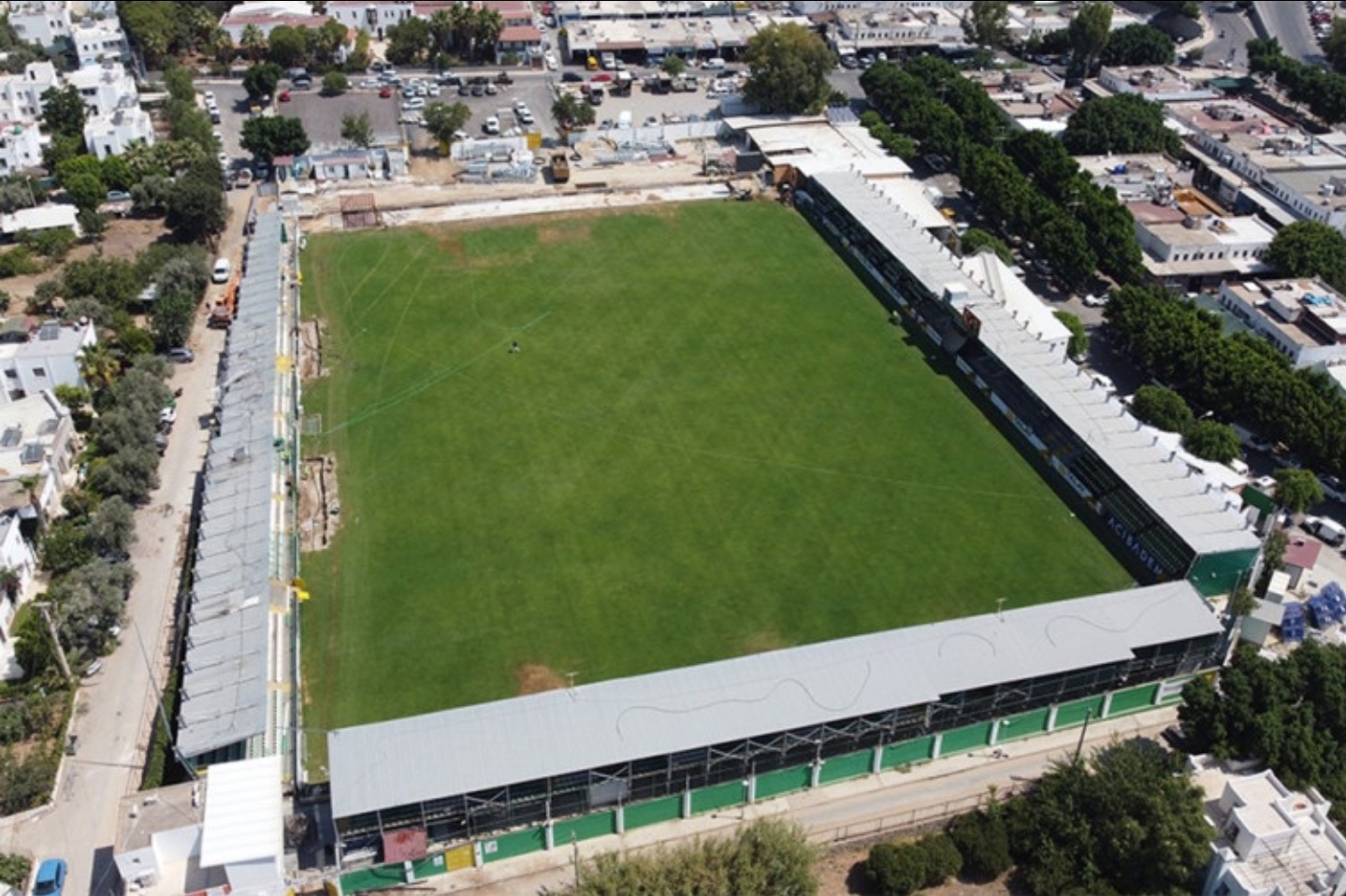
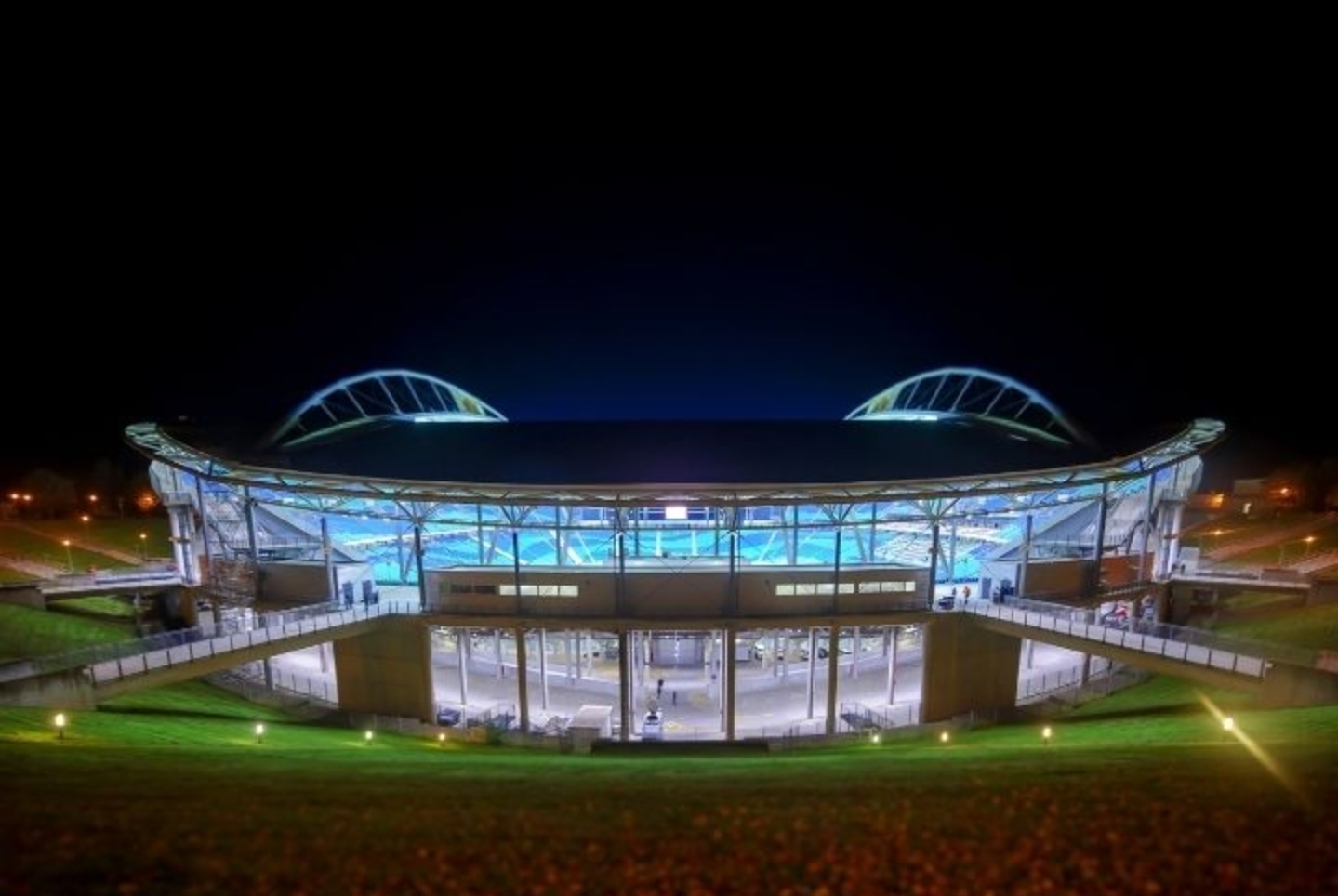
Bodrum İlçe Stadı is officially listed with a capacity of roughly 4,245 seats. In strict football terms, that is a limitation on scale. In investment terms, it is also a defined development lever. Small-capacity, licensed venues often create the opportunity for targeted upgrades, premium hospitality products and a cleaner capex case than oversized legacy stadiums with inflexible cost bases.

The training and match-day framework is already functioning. This means an investor is not being asked to build a club from scratch. The more realistic model is to improve, professionalize and upscale an existing platform—potentially with a medium-term view on stadium enhancement, training optimization, academy strengthening and premium event monetization.

Academy and Development Base

The club’s academy positioning is important because it provides the institutional base for a pipeline thesis. Public club materials describe a development framework including age-group training, licensed coaches, sports psychology support, nutritional guidance and longer-term player development logic.

That does not yet prove a mature international export engine. It does, however, prove that the club is not structurally empty on the development side. For TTMIB and a Nigerian strategic partner, that is enough to justify a build-out thesis: take an existing academy and player development foundation, then connect it to a disciplined West African intake and controlled progression model.

Bodrum as a Destination Asset

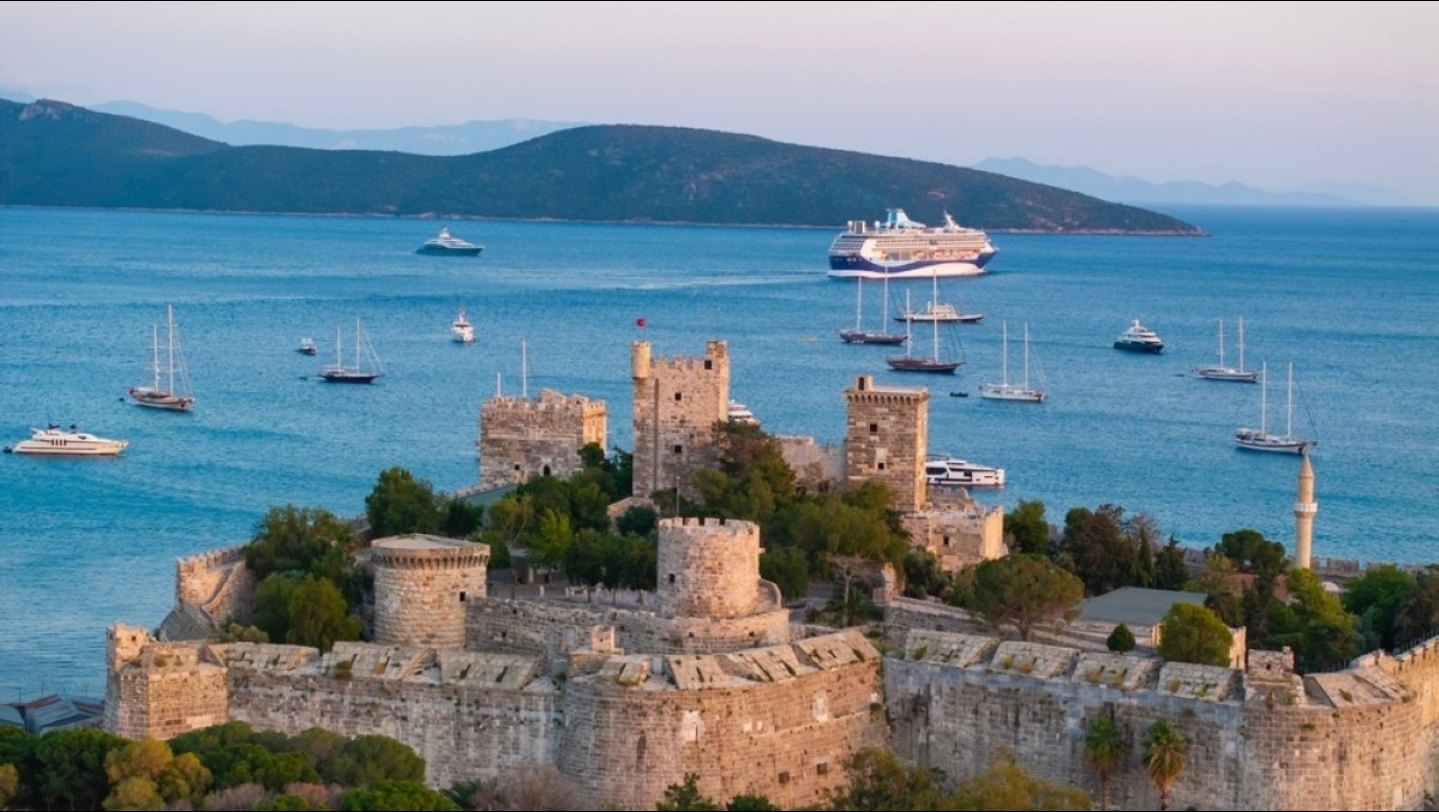
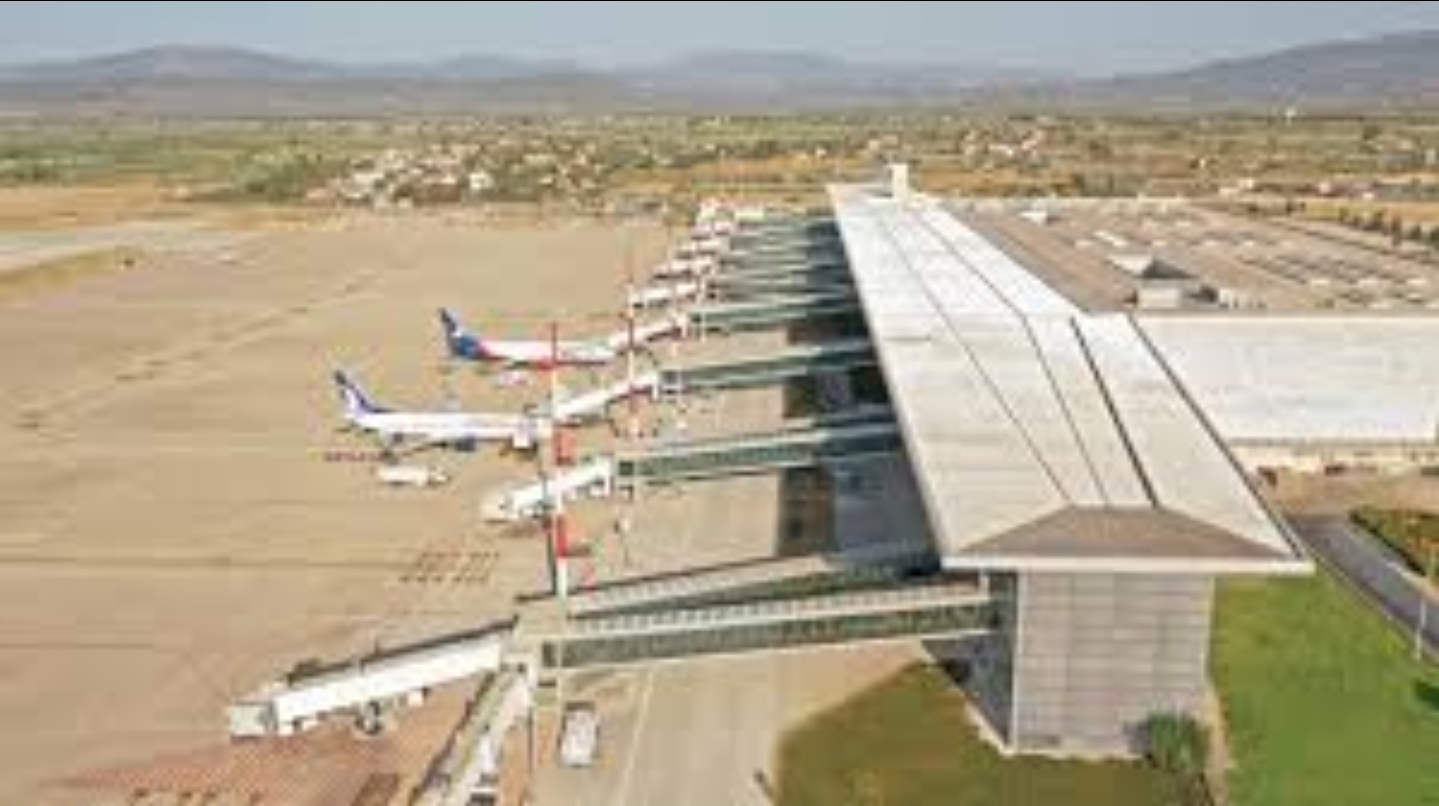
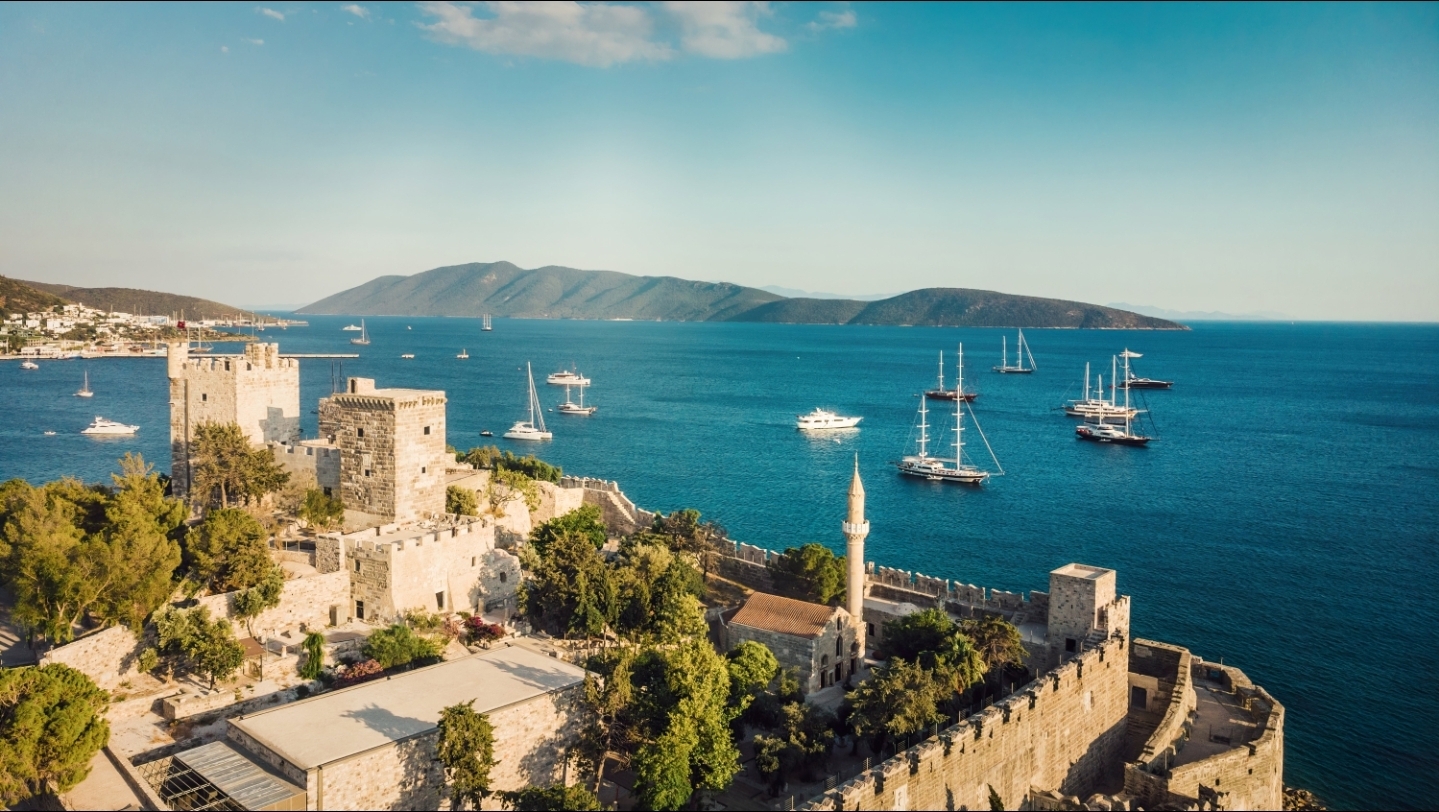
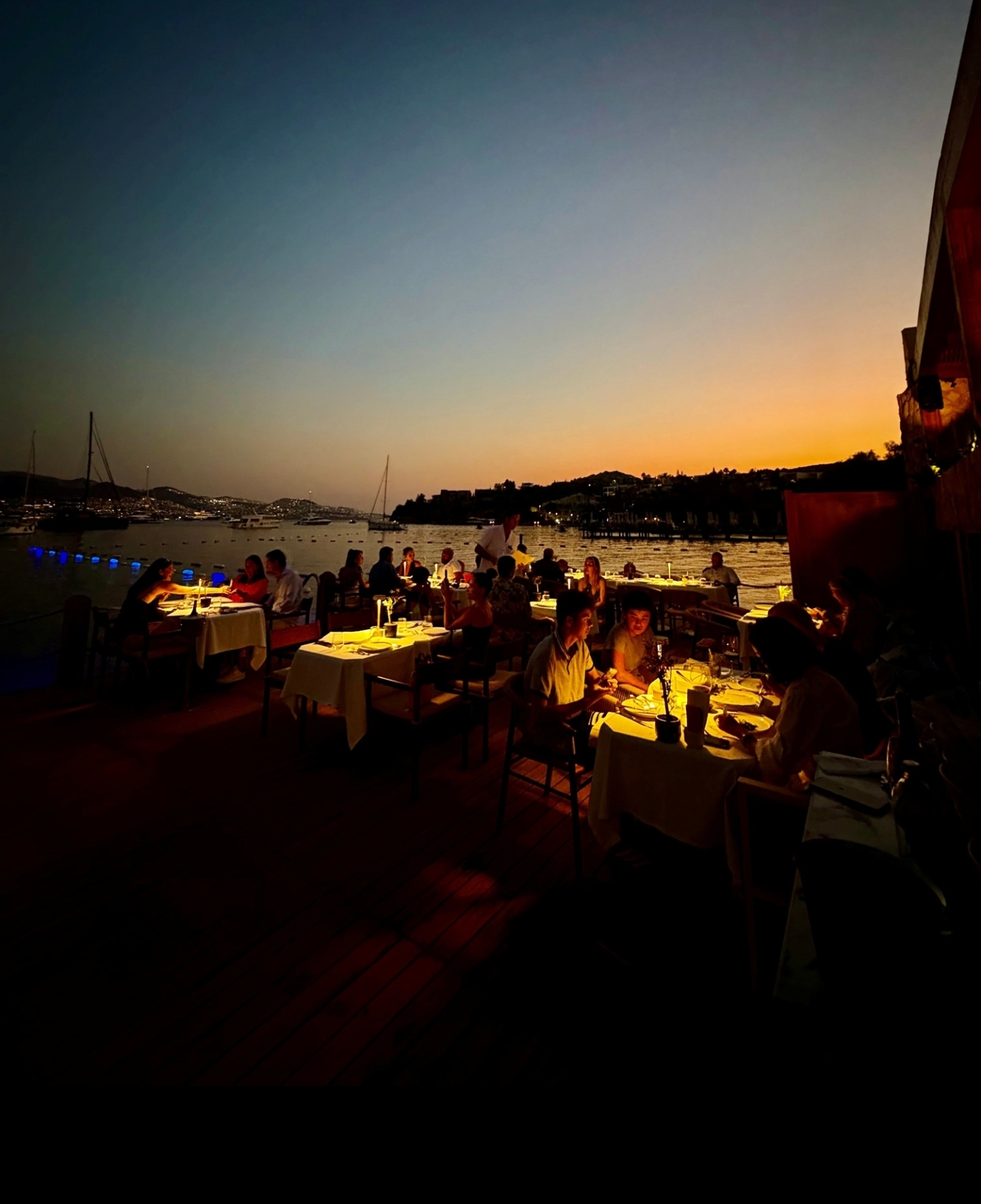
The location is one of the strongest differentiators in the entire case. Bodrum is not a neutral football geography. It is a premium coastal destination with strong tourism inflows, internationally recognized hospitality brands, high-end residential and hotel development, and a concentration of affluent seasonal and permanent visitors. Milas–Bodrum Airport traffic and wider tourism data reinforce the point that this is one of Turkey’s most commercially visible coastal zones.

That has direct football economics implications. Sponsors buy image as well as inventory. Hospitality products become more credible. VIP and relationship-based match-day use cases expand. Media visibility is amplified because the location itself already has narrative value. In other words, Bodrum gives the club a branding premium that many second-division clubs can never replicate.

For institutional investors, this is particularly relevant because destination value can support a more diversified commercial strategy. A club in Bodrum can be positioned not only as a sporting asset, but also as a premium relationship platform anchored in tourism, hospitality and lifestyle visibility.

Turkey as a Football Market

Turkey remains one of the more significant football economies outside Europe’s top five leagues. The market is characterized by strong salary expectations, meaningful transfer liquidity, broad player circulation and high visibility into adjacent markets in Europe, the Balkans, the Middle East and Africa.

This matters for one reason above all: it is a bridge market. Talents can arrive from Africa into a league environment that is more demanding, more visible and more commercial than many other so-called stepping-stone destinations, while still being more accessible than the biggest Western European leagues. That makes Turkey—and therefore Bodrum FK—strategically relevant for pipeline construction.

The right framing is not that Turkey is easy. It is that Turkey is liquid. Clubs trade, scouts watch, agents circulate, and players can move onward. That is exactly what a pipeline investor wants.

Africa Pipeline Logic – Why Bodrum Works

The Africa angle is the real strategic differentiator if executed properly. Bodrum FK can be positioned as a controlled bridge from Nigeria and wider West Africa into the European-adjacent football economy. The concept is not merely to place players, but to control the route, the development environment and the transfer economics.

That is where TTMIB becomes central. With a functioning scouting and football management network in West Africa, TTMIB can reduce dependence on fragmented agent chains and replace them with a more controlled model: identification, onboarding, progression, visibility, transfer and downstream monetization all sit inside one coordinated framework.

Bodrum is attractive for this purpose because the platform is serious enough to give players real competitive exposure, but still open enough to allow strategic shaping. That combination is rare. In many higher-profile clubs, the investor would overpay for branding and under-control the sporting pathway. In Bodrum, there is room to build.

Why Nigeria Wins

For a Nigerian investor, influential family office or government-linked structure, the value is not limited to club ownership. The real gain is control over a structured talent-export and value-capture route. Instead of watching Nigerian players leave through inconsistent channels, the investor can anchor part of that pathway inside a defined football company with board access and strategic oversight.

The benefits are threefold. First, there is football value: better placement, better development conditions and better transfer visibility. Second, there is economic value: participation in player appreciation, transfer fees, sell-on structures and associated commercial upside. Third, there is symbolic and political value: credible international football positioning and a cleaner narrative than opportunistic agent-led exits.

That makes the Bodrum case unusually suitable for state-adjacent or politically visible Nigerian actors. It can be framed as a disciplined sports-economy project rather than merely a speculative club purchase.

Turkey–Nigeria Economic Alignment

The broader bilateral relationship between Turkey and Nigeria strengthens the strategic logic. Recent public reporting has highlighted efforts by both countries to expand trade volumes significantly beyond current levels, with energy named among the relevant cooperation areas. This does not mean that a football transaction automatically becomes an energy deal. It does mean that the macro relationship is moving in a direction that makes a Turkey–Nigeria strategic sports platform more plausible, not less.

From a narrative standpoint, that is useful. A Nigeria-linked football investment in Bodrum can be presented not as an isolated vanity move, but as part of a broader pattern of economic and strategic engagement between the two countries. When combined with the Bodrum tourism profile and the Öztürk / OPET adjacency, the football platform becomes a credible cross-sector relationship tool.

Investment Logic and Use of Capital

An investment range of roughly EUR 15–25 million is coherent if the objective is to secure meaningful control or influence, reinforce the sporting side, fund selective infrastructure and academy improvements, and build the Africa route properly instead of superficially.

The return logic is not dependent on one single outcome. It comes from multiple layers: promotion-driven valuation uplift, player trading profits, sponsorship expansion, destination-led commercial premium, and optional long-term positioning in a multi-club or feeder-chain model.

The strongest formulation is this: Bodrum FK allows capital to buy not just a club, but a route. The route has football upside, commercial upside and relationship upside. That is why the asset deserves more attention than its current league level might suggest.

What Still Requires Due Diligence

Despite the strength of the public narrative, several items still require strict transaction-level verification. These include the exact cap table of Bodrumspor Spor Faaliyetleri Anonim Şirketi, the true beneficial ownership and voting control structure, formal sell-side authority, any pre-emption rights or encumbrances over shares, the exact economics and duration of current sponsorship agreements, player contract liabilities, and the real state of club indebtedness or contingent obligations.

Equally important, any investor should separate reputational connection from legal ownership. The public sphere supports a Bodrum–Öztürk–OPET relationship context. It does not, by itself, replace registry evidence. A serious process will need corporate extracts, shareholder records, signed authority proof, and a controlled data room.

That is not a weakness in the case. It is standard transaction hygiene. The opportunity is strong precisely because the strategic story is compelling before deep diligence. The next step is to validate the moving parts, not to invent them.

Conclusion

Bodrum FK is one of the more interesting football-linked strategic entry opportunities in the Turkish market because it sits at the intersection of five real factors: an investable corporate football structure, proven top-tier capability, a functioning commercial ecosystem, a premium tourism destination, and proximity to a business network with significantly more weight than the average club environment.

If paired with a disciplined Nigeria / West Africa pipeline under TTMIB coordination, the club can evolve from a football acquisition into a broader Africa–Europe sports and business platform. That is the real thesis. Not sentiment, not vanity, and not generic football marketing—system, route and control.